Look better. In person, on camera, everywhere.
Most face apps rate a photo of you. Klayr works on the face people actually see, with a daily plan and one photo a week to show it changing.
- No surgery
- No scores
- Photos stay on your phone
Free on iPhone. One email when it's on the App Store.

Week 6 Since your first photo
- GroomingOn track
- Under-eyeLighter than week 1
- Skin evennessWithin normal photo variation
Small changes, chosen for your face.
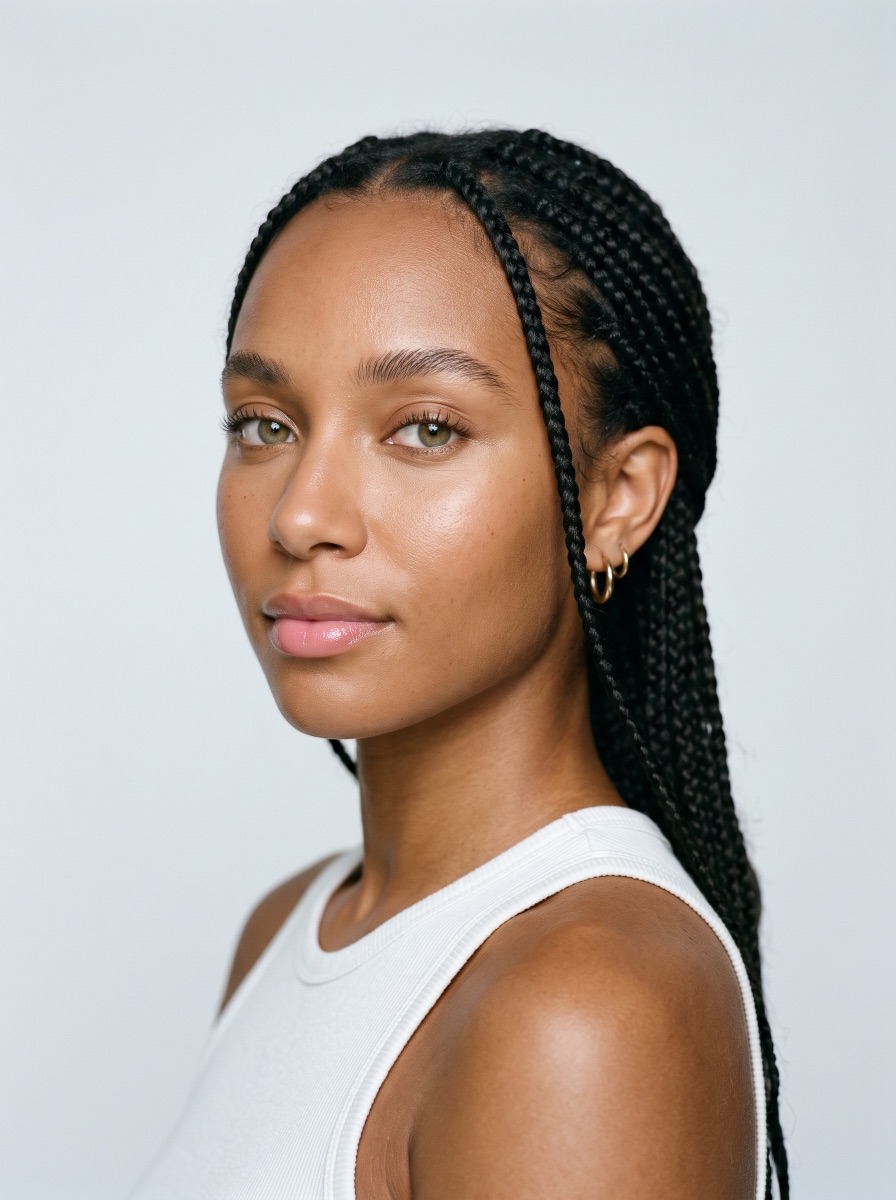
A cut that suits your face shape, frames that balance it. Same light, same distance, so the difference is the change itself.

 BeforeAfter
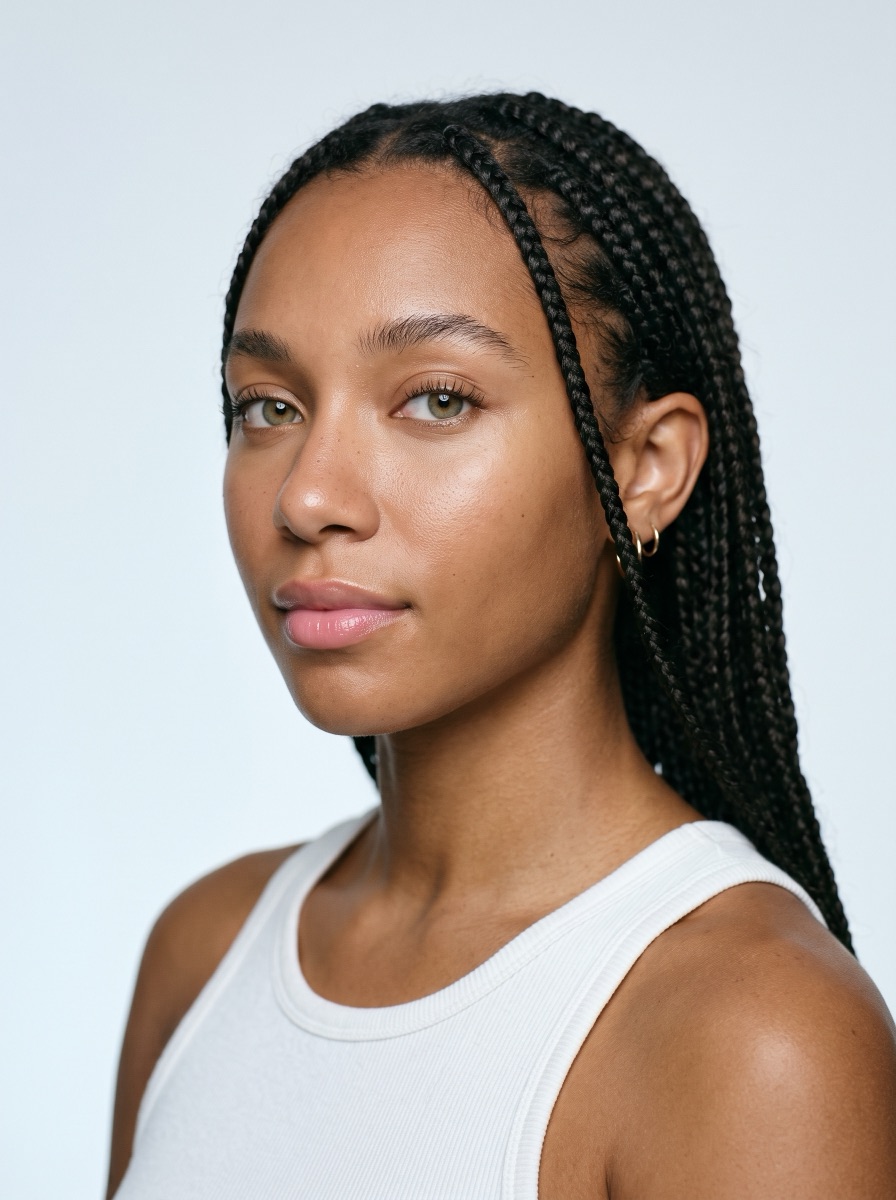
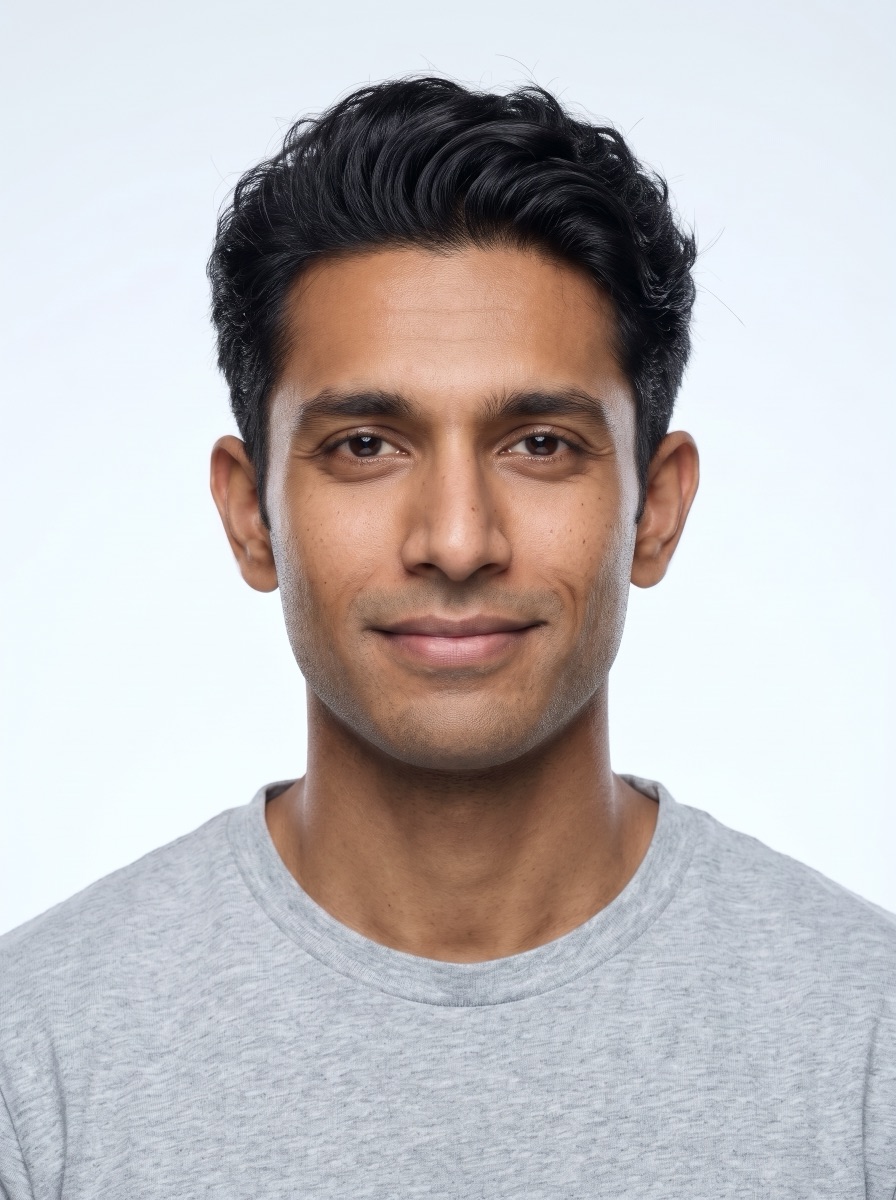
Generated images, for illustration.
01
Scan. Look closer at what changed.
Every Sunday, one guided photo. Klayr checks light, distance and angle first, so this week compares fairly with week 1.

Written readings arrive in a coming update. Klayr 1.0 lines up each week's photo with your first.
02
Plan. Habits slotted into your day.
Your answers choose three areas to work on. Each habit has a time, a reason and, where one exists, the study behind it. Sleep can tick itself off from Apple Health.
Today Tuesday
- SPF 30 before you leaveDaily use slowed skin aging in a 4.5-year trial
- Cleanse and moisturizeTwo minutes, morning
- Train for 30 minutesAny exercise counts
- Two-minute posture checkShoulders back, chin level, for photos
- Weekly groomingBrows, beard line, nails
- In bed by 11:30Seven hours in bed
03
Every Sunday. Progress against your own baseline.
Each week sits next to week 1. A change counts only when it is bigger than the normal difference between two photos. Nobody else is on the chart.
Your scans stay on your phone, encrypted.
Under-eye Change since week 1
24measures
6habit areas
0comparisons with other people
What the research says.
24%
less skin aging with daily sunscreen than with occasional use, over 4.5 years.
Hughes et al., 2013, Annals of Internal Medicine. A randomized trial.30%
wider the base of the nose looks in a photo taken at 12 inches than at 5 feet.
Ward et al., 2018, JAMA Facial Plastic Surgery. A geometric model.1 face
Photos of the same person varied in attractiveness more than photos of different people did.
Jenkins et al., 2011, Cognition.
What Klayr holds to.
- Only what you can change. Bone structure and symmetry are left alone.
- You against you. Never a score, a rank or a stranger's face.
- We cite, or we don't claim. And we say when a habit has no evidence.
- No surgery, no needles. Every recommendation is something you do yourself.
Free on iPhone.
Klayr 1.0 has no in-app purchases, no ads and no account.
Questions
Will it tell me how attractive I am?
No. A single photo is an unreliable sample of a face, so Klayr never rates or ranks you. It shows how your own photos change over time.
Isn't working on your looks vain?
Sleep, sun protection, skin care, training and grooming are ordinary self-care. Klayr keeps them to the time you choose each day and tracks only what those habits can change.
Will measuring my face make me insecure?
It can, which is why Klayr never compares you with other people, limits photos to once a week, and asks two short questions at the start that point to help if appearance worries are taking over.
Does Klayr recommend surgery, fillers or injectables?
No. Every recommendation is something you do yourself. Klayr offers appearance guidance and is not a medical service; for skin conditions, see a dermatologist.
Where do my photos go?
Nowhere. They are encrypted on your iPhone and never uploaded. There is no account. Deleting the app deletes them.
How much time does it take?
Your plan fits the time you choose each day, plus one photo on Sunday that takes about a minute.
Start with one photo.
One email when Klayr is on the App Store. Nothing else.